Check your device wattage
Look at the labels on your electronics to find the watts they use. Ensure the power station has an AC output higher than that number.
This catalog lists to help you find the right battery for camping, home backup, or off-grid use. We focus on specs like watt-hours, port types, and battery chemistry.
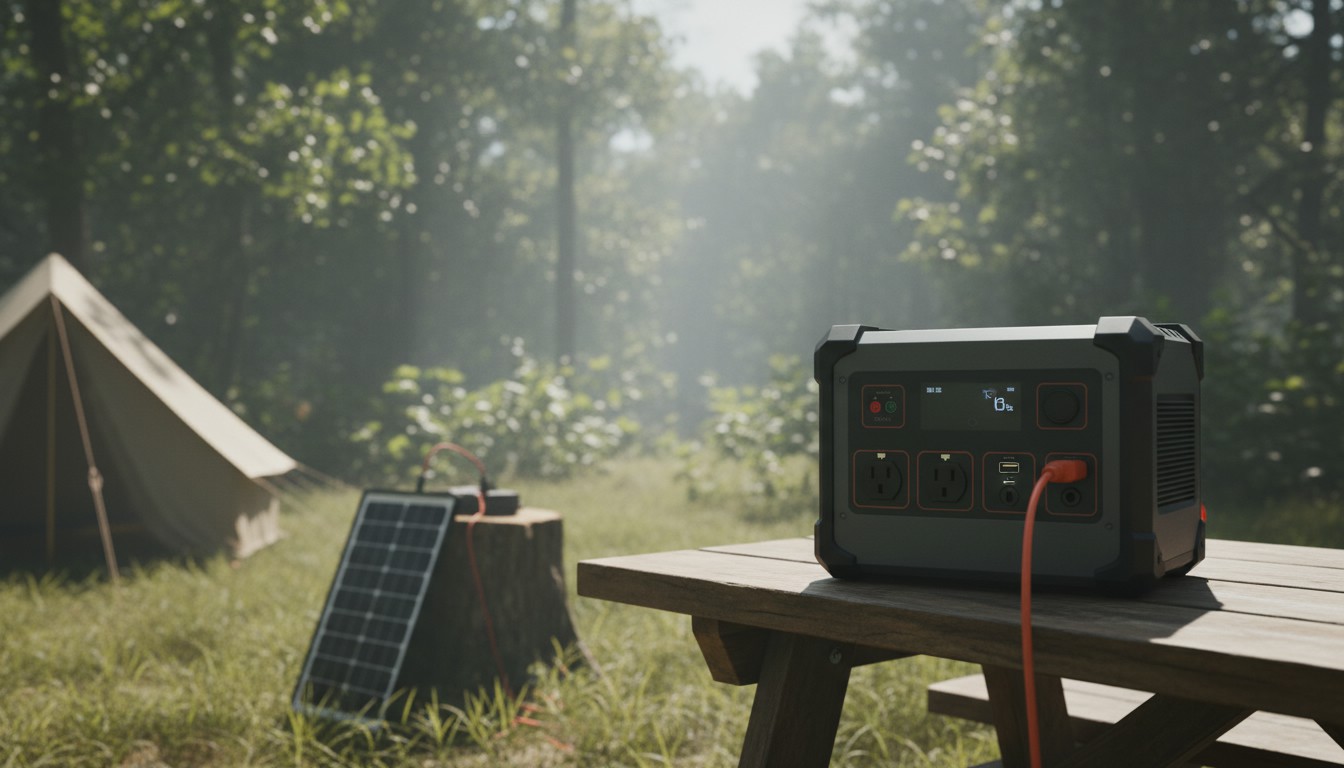
We group these power stations by their battery capacity, power output, and intended use to make it easier to compare different models.
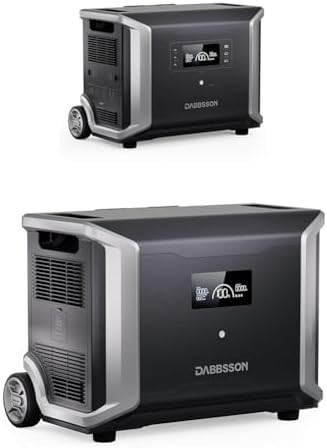
These selections show the range of sizes available, from small 100W units to large 3600W home backup systems.
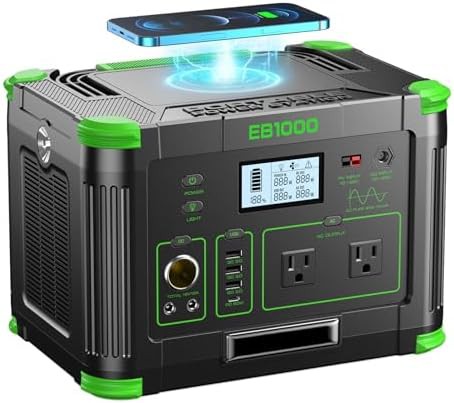
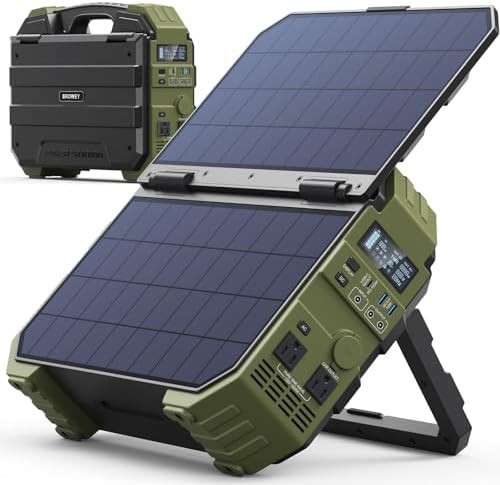
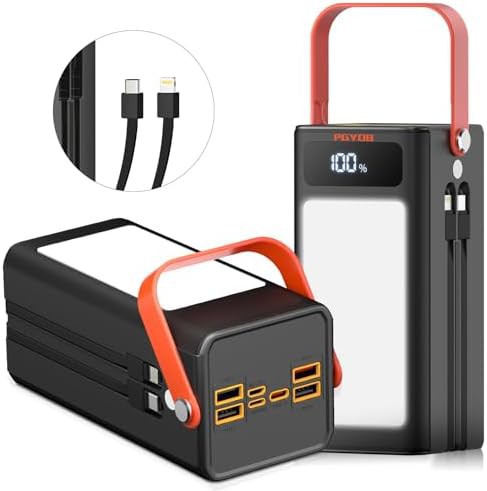
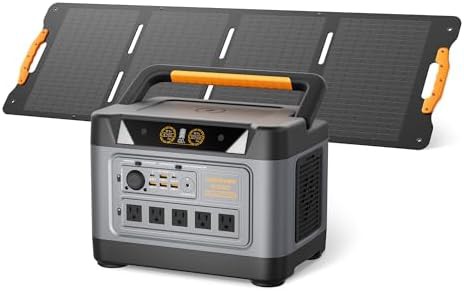
These portable solar generators provide essential power for outdoor camping and emergency situations
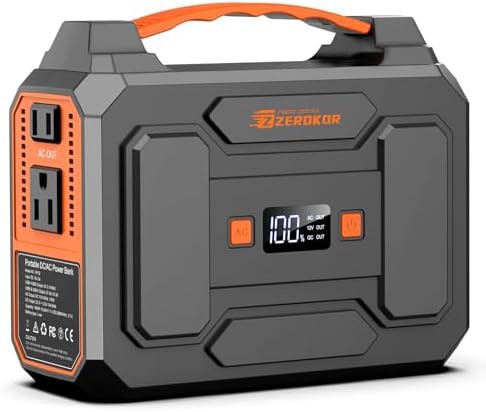
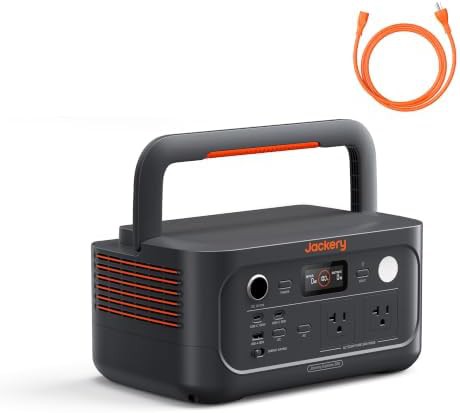
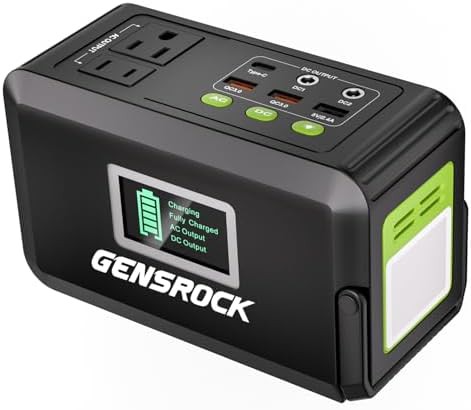
These compact power stations provide reliable energy for campers and travelers who need to charge laptops and phones away from home
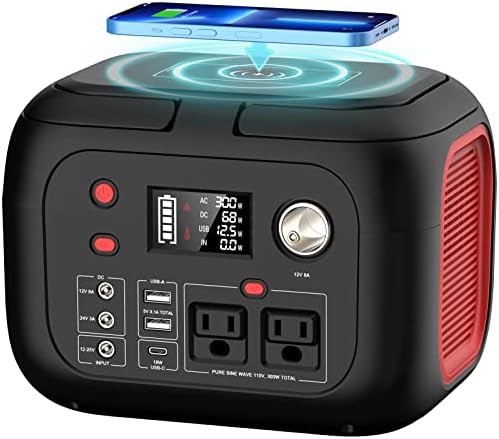
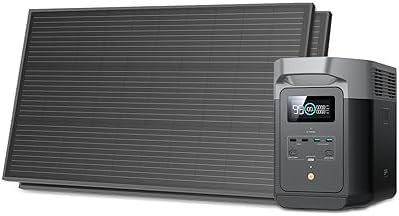
These versatile solar generators use LiFePO4 and lithium technology to power RVs and camping gear
Filter the 134 live products by their specific features or power levels.
 9.3
9.3
 9.1
9.1
 8.9
8.9
8.8
8.9
8.9
8.8
 8.8
8.8
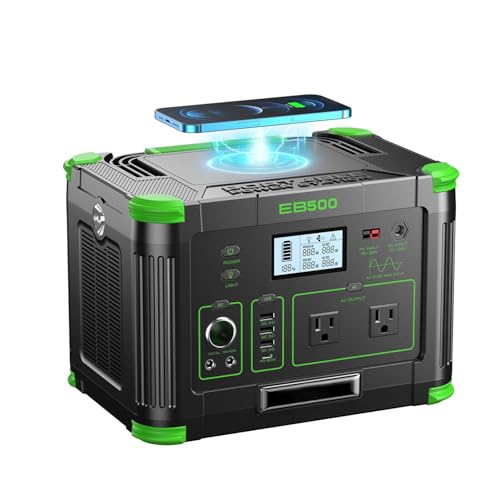 8.7
8.7
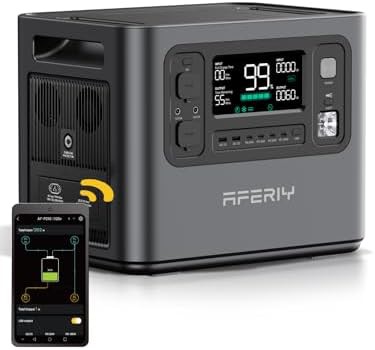 8.7
8.5
8.7
8.5
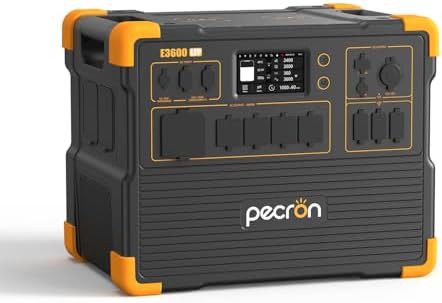 8.5
8.5
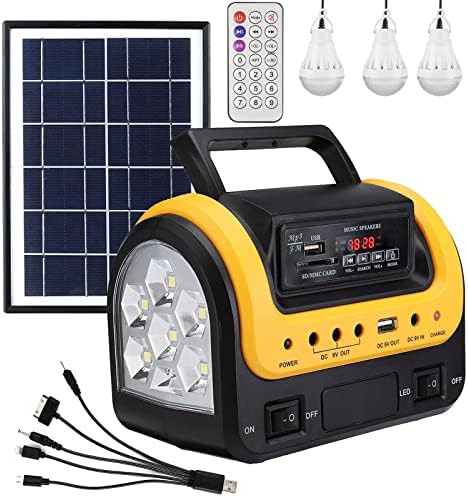 8.4
8.4
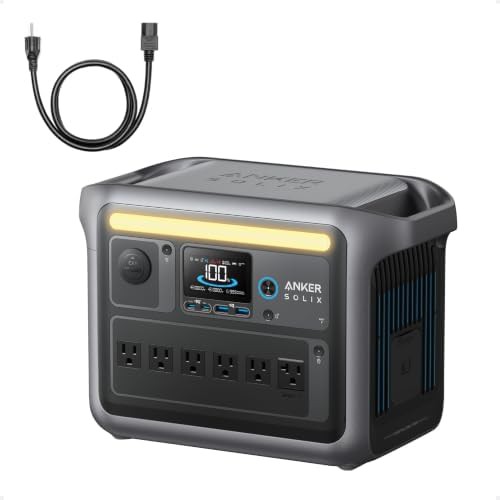 8.3
8.3
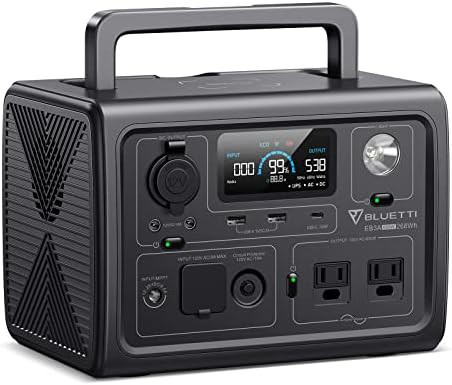 8.1
8.1
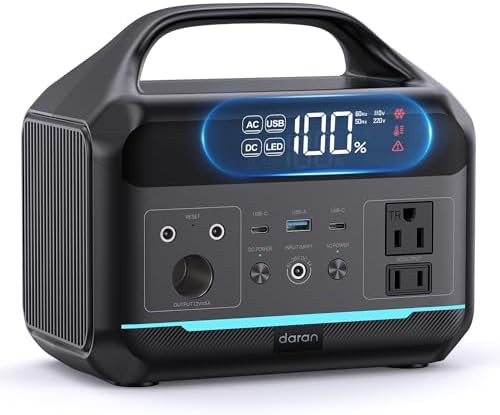 8.1
8.1
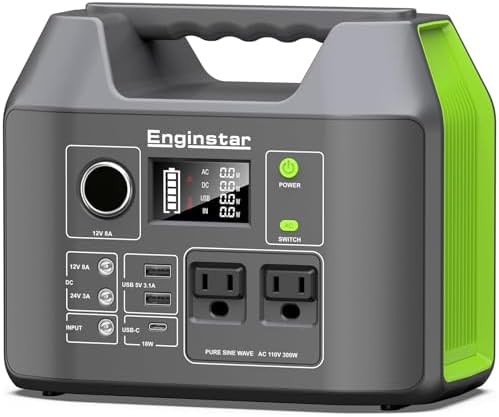 8.0
8.0
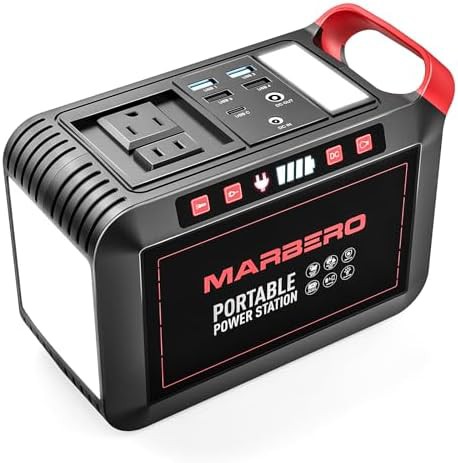 7.8
7.8
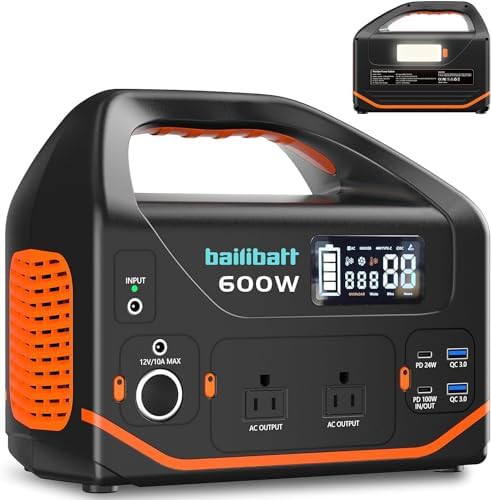 7.5
7.5
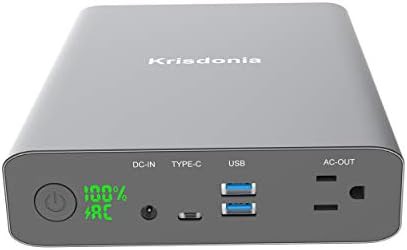 6.2
6.2
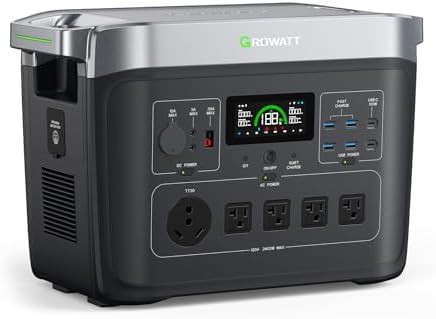
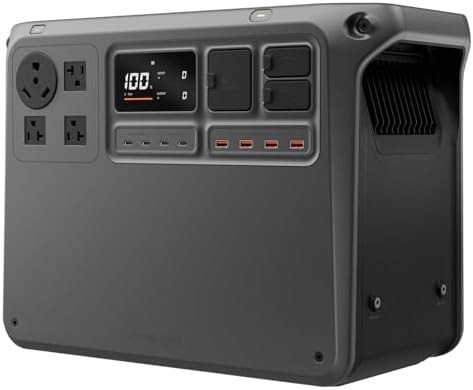
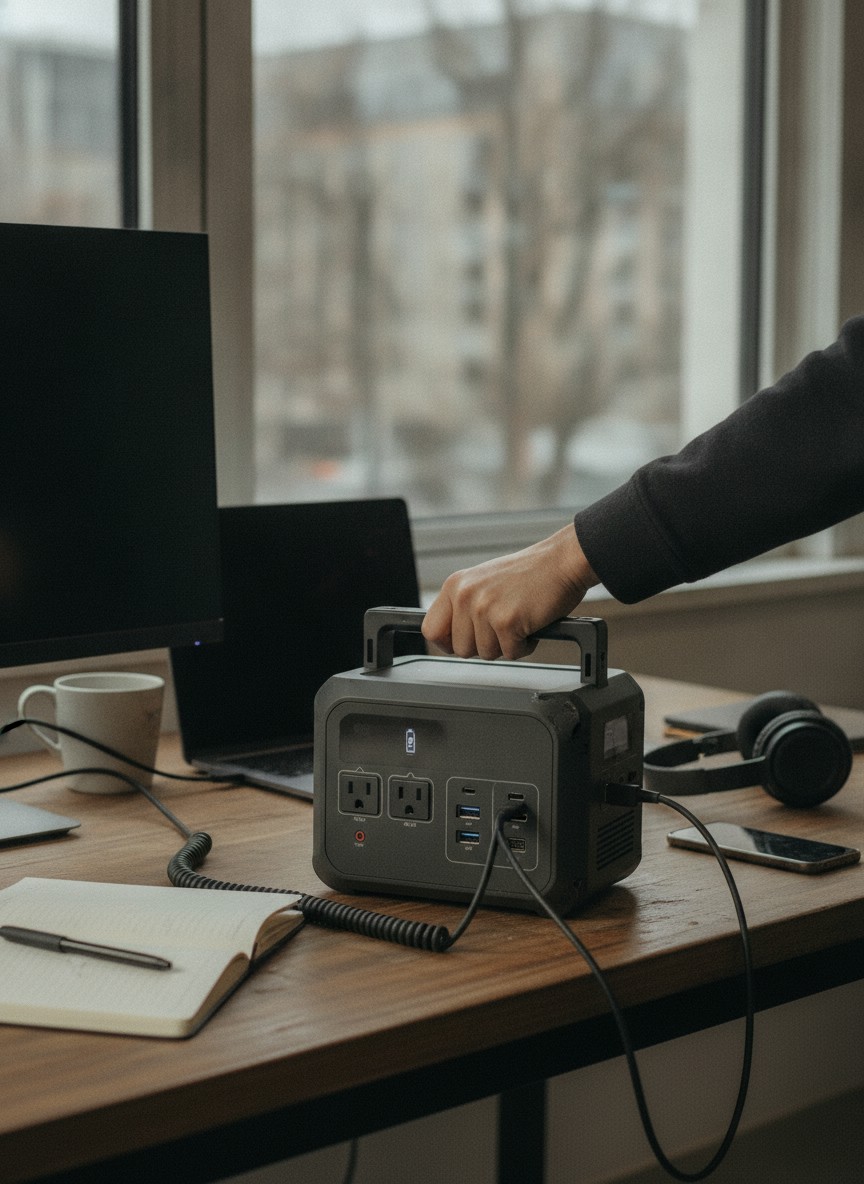
Look at the labels on your electronics to find the watts they use. Ensure the power station has an AC output higher than that number.
Divide the station's watt-hours by your device's wattage. This gives you a rough estimate of how many hours the battery will last.
Some units support fast charging from a wall outlet or solar panels. Check the input ratings if you need to recharge the battery quickly.
A 300Wh station can charge a laptop about 4 to 5 times or run a small 40W fan for roughly 6 hours. It is best for small electronics like phones, tablets, and LED lights.
Only stations with high surge ratings and at least 1000Wh to 2000Wh of capacity are suitable for refrigerators. Check that the AC output can handle the compressor's starting power.
LiFePO4 batteries usually last for 3,000 or more charge cycles before losing significant capacity. They are also generally more stable and safer for long-term home use.
Yes, these units do not use fuel or emit exhaust like gas generators. They are large batteries that can be used safely inside a tent, van, or room.