9.4
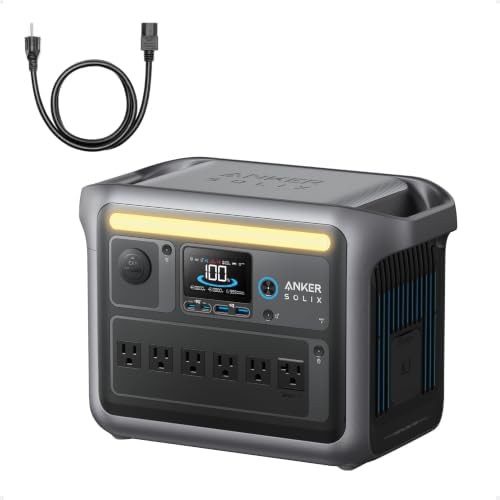
Anker SOLIX C1000 power station with car cable
Stations with AC outlets Emergency power stations Stations for home backup Fast charging power stations
Substantial energy storage for off-grid living and critical home backup during outages 10 power stations · 9 brands
| # | Product | Range | Details | Maker | Check offer |
|---|---|---|---|---|---|
| 1 |
|
$898 | Stations for camping · Emergency power stations · Stations for RV use | Shenzhen Pannizhe Technology |
$898
Check offer
|
| 2 |
|
$939 | Emergency power stations · LiFePO4 battery power stations · Stations for RV use | Jackery |
$939
Check offer
|
| 3 |
|
$964 | LiFePO4 battery power stations · Stations with solar panels included · 1200W to 2000W output stations | EF ECOFLOW |
$964
Check offer
|
| 4 |
|
$560 | Stations for camping · Stations for laptops · LiFePO4 battery power stations | Huizhou Intelligent Energy |
$560
Check offer
|
| 5 |
|
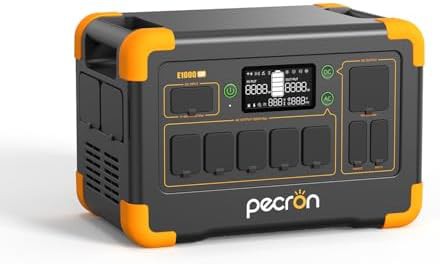
$399 | Stations for camping · Stations with AC outlets · LiFePO4 battery power stations | pecron |
$399
Check offer
|
| 6 |
|
$600 | Stations with AC outlets · Emergency power stations · Stations for home backup | Anker |
$600
Check offer
|
| 7 |
|
$550 | Emergency power stations · Stations for RV use · Stations for home backup | Shenzhen UDPOWER Energy Storage Technology |
$550
Check offer
|
| 8 |
|
$500 | Stations for camping · LiFePO4 battery power stations · Stations for home backup | PYS High-Tech |
$500
Check offer
|
| 9 |
|
$400 | Stations for camping · Stations with AC outlets · Emergency power stations | Zhejiang Zhenneng Technology |
$400
Check offer
|
| 10 |
|
$899 | LiFePO4 battery power stations · Fast charging power stations · 1200W to 2000W output stations | EF ECOFLOW |
$899
Check offer
|
9.4
Stations with AC outlets Emergency power stations Stations for home backup Fast charging power stations
9.4
LiFePO4 battery power stations Stations with solar panels included 1200W to 2000W output stations
9.4
Emergency power stations LiFePO4 battery power stations Stations for RV use Stations with solar panels included Fast charging power stations Off-grid power stations
9.4
LiFePO4 battery power stations Fast charging power stations 1200W to 2000W output stations
9.3
Stations for camping Emergency power stations Stations for RV use Stations with solar panels included 1200W to 2000W output stations With built-in solar panels
8.9
Stations for camping Stations for laptops LiFePO4 battery power stations Stations for home backup Stations for phones Off-grid power stations
8.4
Stations for camping Stations with AC outlets LiFePO4 battery power stations Stations for RV use Stations for home backup Fast charging power stations
8.1
Emergency power stations Stations for RV use Stations for home backup Stations with solar panels included 1200W to 2000W output stations Stations with UPS function
7.5
Stations for camping LiFePO4 battery power stations Stations for home backup Stations for phones Stations with solar panels included Stations for refrigerators
4.1
Stations for camping Stations with AC outlets Emergency power stations LiFePO4 battery power stations Pure sine wave power stations Fast charging power stations
A typical fridge draws 100W to 200W when the compressor runs, but it cycles on and off. Expect roughly 8 to 16 hours of runtime from a 1000Wh station depending on ambient temperature and how often the door opens. A 2000Wh unit doubles that.
Yes on most models in this range. Pass-through charging lets you run devices from the AC outlets while the battery recharges from a wall outlet or solar panel. Check the manual because some units limit output during fast charging.
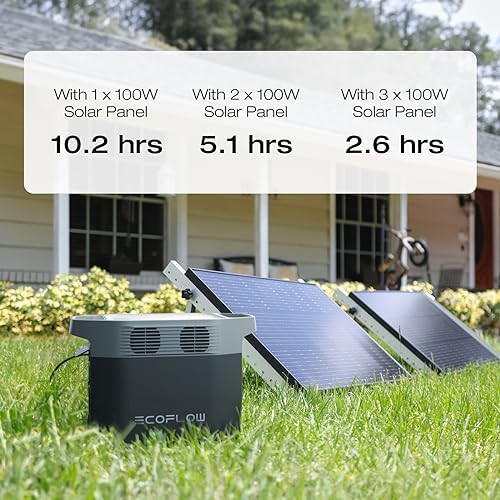
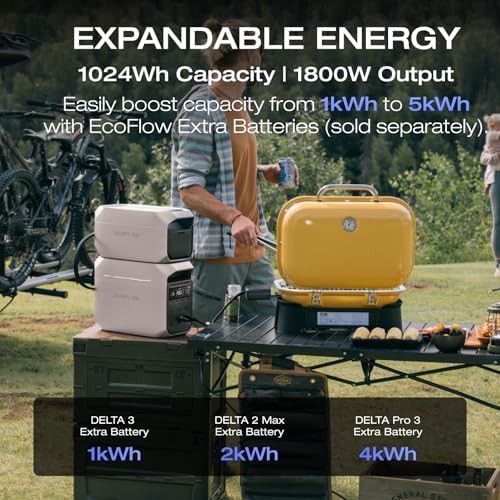
A 200W to 400W panel array will refill a 1024Wh station in roughly 3 to 6 hours of good sun, depending on the station's solar input ceiling. If the station caps solar input at 200W, a larger panel will not charge it faster.
LiFePO4 gives more charge cycles and holds its charge better during months of storage. The downside is weight, which is already high at 1000Wh and above. For a station that sits in a closet until an outage, LiFePO4 is the better fit.
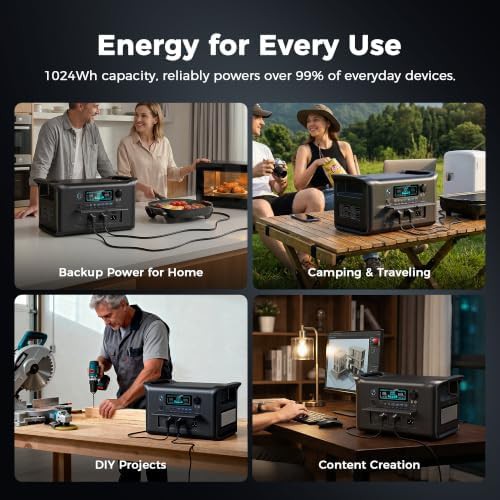
Stations in this range run a fridge, a CPAP, a router, and a few lights through a night or a short outage. A 1024Wh unit paired with a 120W panel can recharge from empty in a few hours of good sun. Output sits between 1200W and 2400W, enough for a microwave, a coffee maker, or a circular saw.
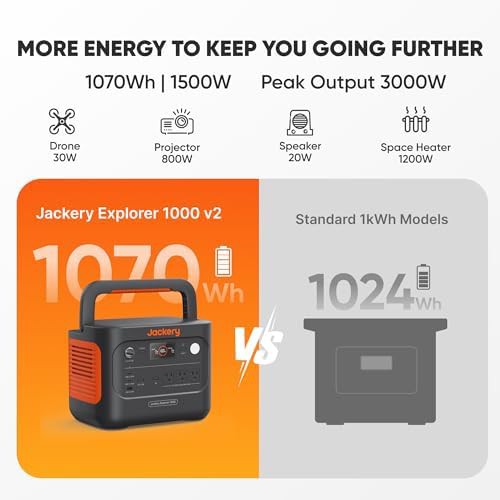
The capacity is the point. A 1056Wh station holds roughly twice the runtime of a 500Wh unit at the same load. A 2048Wh station doubles that again, which is why these get used for home backup and RV trips rather than quick top-ups.
LiFePO4 is the battery chemistry across most of this range. It holds charge longer between uses and tolerates more cycles than older lithium mixes. The trade-off is weight per watt-hour, which is why these units feel dense.
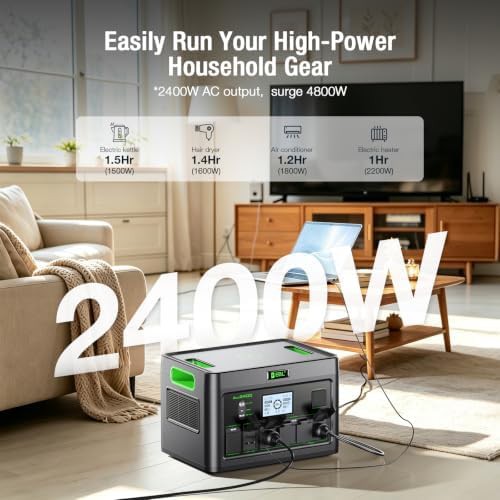
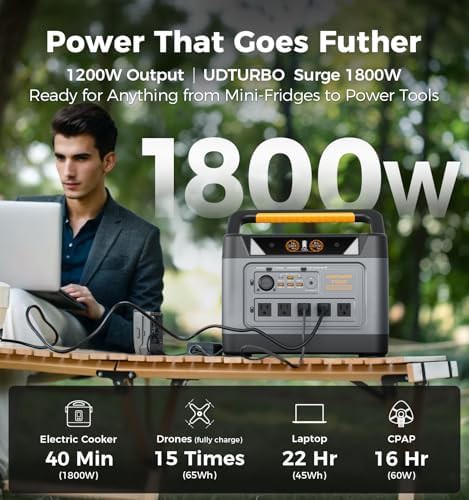
AC output is rated in continuous watts with a surge figure above it. A 1200W station with 1800W surge can start a fridge compressor that draws more on startup than it does running. Match the surge rating to the hardest-starting device you plan to run.
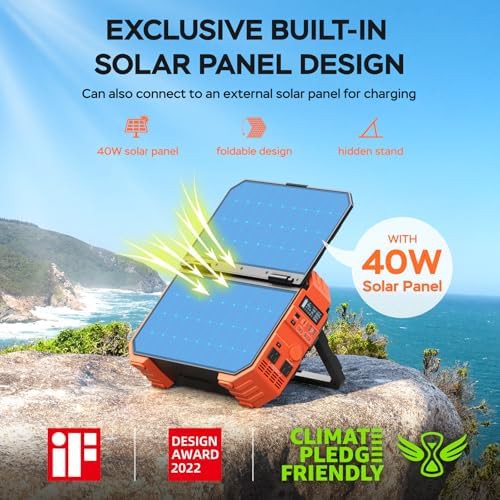
Solar input varies widely. Some units accept up to 400W of panel input, which cuts recharge time to a couple of hours in full sun. Others cap lower and take most of a day. Check the solar input ceiling before buying panels.